

TPLO CE Course at Auburn University
Cost: $1,800
CE Credits: 18
-
Explain the indications, biomechanical principles, and expected outcomes of TPLO surgery.
- Perform preoperative radiographic assessment and TPLO planning using established techniques and digital planning tools.
- Identify relevant stifle anatomy and apply appropriate approaches to joint exploration and meniscal assessment.
- Discuss indications for meniscal treatment and incorporate findings into surgical decision making.
-
Describe and perform the major steps of a jig-based TPLO procedure in a cadaver laboratory setting.
-
Execute TPLO procedure techniques on a dry-lab bone model.
-
Perform stifle arthrotomy, meniscal assessment, and TPLO procedures on both right and left canine stifles.
-
Interpret postoperative radiographs and evaluate osteotomy position, implant placement, and overall construct quality.
- Recognize common complications associated with TPLO surgery and discuss strategies for prevention and management.
- Develop an individualized plan for continued surgical skill development through additional specimen practice, mentorship, and peer support.
Surgeon Instructor: Kayla Marie Corriveau, DVM, DACVS (SA):
Dr. Kayla Corriveau received her DVM from Western University of Health Sciences in Pomona, CA in 2011. She continued her training with rotating and surgical specialty internships at California Veterinary Specialists, the Veterinary Specialty Hospital of San Diego, and the University of Pennsylvania School of Veterinary Medicine. Dr. Corriveau then completed a small animal surgical residency at Texas A&M University. After residency, she joined the Auburn University team as an assistant professor of small animal orthopedics in September 2017 with subsequent promotion to associate professor. Her clinical and research interests include arthroscopic surgery, minimally invasive fracture repair, and treatment of osteoarthritis.


TPLO CE Course at Auburn University
Cost: $1,800
CE Credits: 18
-
Explain the indications, biomechanical principles, and expected outcomes of TPLO surgery.
- Perform preoperative radiographic assessment and TPLO planning using established techniques and digital planning tools.
- Identify relevant stifle anatomy and apply appropriate approaches to joint exploration and meniscal assessment.
- Discuss indications for meniscal treatment and incorporate findings into surgical decision making.
-
Describe and perform the major steps of a jig-based TPLO procedure in a cadaver laboratory setting.
-
Execute TPLO procedure techniques on a dry-lab bone model.
-
Perform stifle arthrotomy, meniscal assessment, and TPLO procedures on both right and left canine stifles.
-
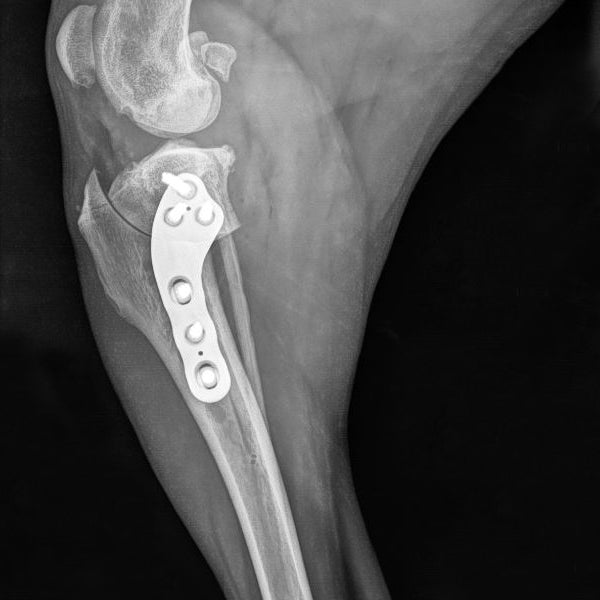
Interpret postoperative radiographs and evaluate osteotomy position, implant placement, and overall construct quality.
- Recognize common complications associated with TPLO surgery and discuss strategies for prevention and management.
- Develop an individualized plan for continued surgical skill development through additional specimen practice, mentorship, and peer support.
Surgeon Instructor: Kayla Marie Corriveau, DVM, DACVS (SA):
Dr. Kayla Corriveau received her DVM from Western University of Health Sciences in Pomona, CA in 2011. She continued her training with rotating and surgical specialty internships at California Veterinary Specialists, the Veterinary Specialty Hospital of San Diego, and the University of Pennsylvania School of Veterinary Medicine. Dr. Corriveau then completed a small animal surgical residency at Texas A&M University. After residency, she joined the Auburn University team as an assistant professor of small animal orthopedics in September 2017 with subsequent promotion to associate professor. Her clinical and research interests include arthroscopic surgery, minimally invasive fracture repair, and treatment of osteoarthritis.


QUESTIONS?
Fill out the form below to contact us, or email us directly at USsales@rita-leibinger.com